What Is a Comic Book Pull List? How to Start One at Your Local Comic Shop
You went in for the new issue of something you have been following. It sold out on the day it arrived, and now you are chasing a copy on eBay for three times cover price.
That is the problem a pull list solves. It is one of the oldest services a comic shop offers, it often costs nothing to set up, and a lot of people who read comics regularly have never used one because nobody explained how it works.
Here is how.
What a pull list actually is
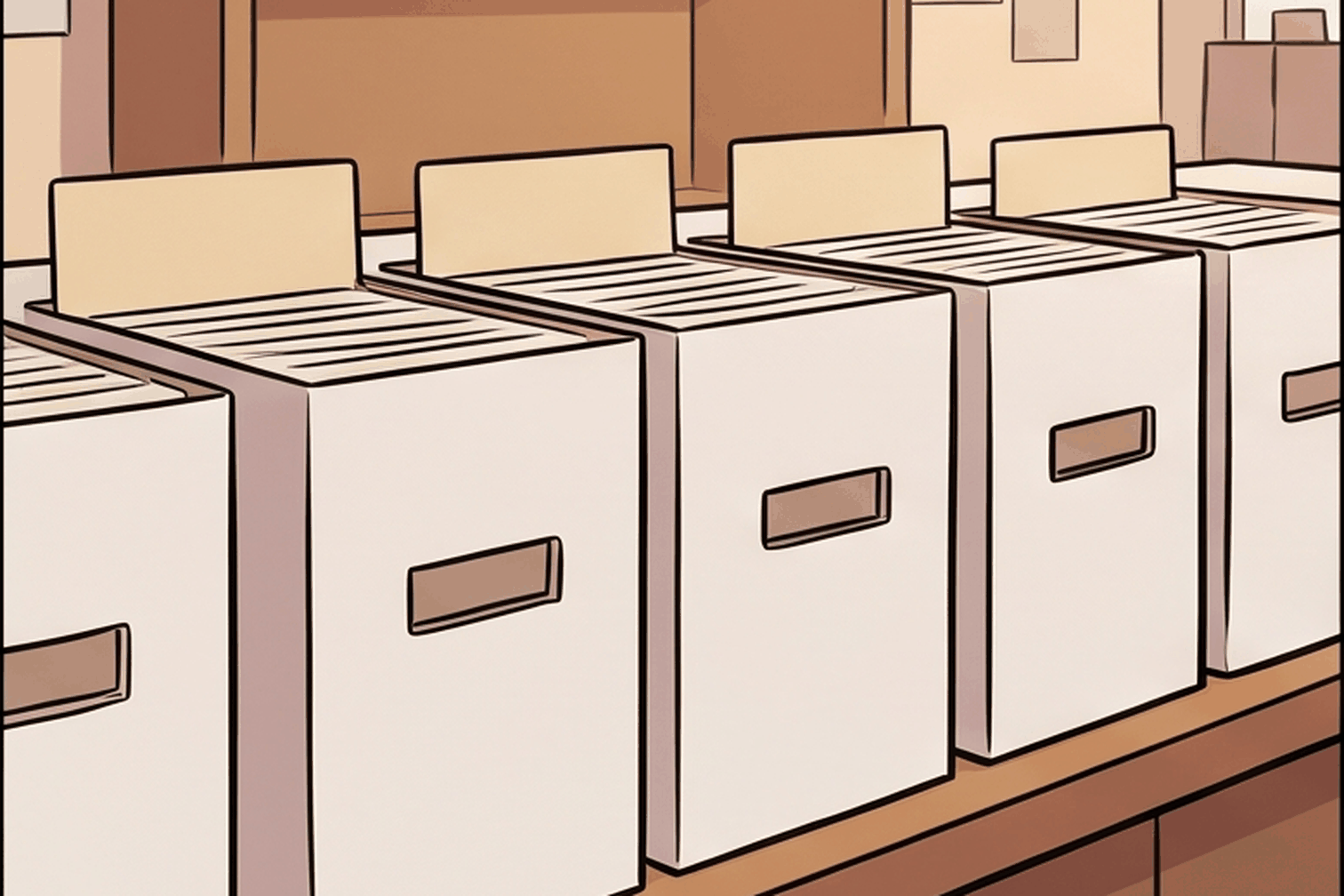
A pull list is a standing arrangement with a shop. You tell them which titles you want, and each week they set aside your issues and hold them for you.
You will also hear it called a pull box, a sub box, or a subscription. Those are the same thing.
The arrangement is with that specific shop. Whether you set it up at the counter, through the shop’s website, or in an app the shop uses, your list lives with that retailer. There is no central system, so moving to a different shop means starting again with them.
What it is not is a commitment to buy the whole shop’s output. You pick the titles, you can change them, and you can stop. More on that further down.
Why shops offer them
Worth understanding, because it explains most of the rules you will run into.
A shop has to decide how many copies of each issue to order before it is printed, and anything that does not sell is money sitting on a shelf. A pull list removes the guesswork. If eleven people have a title on their list, that is eleven copies the shop knows it can sell.
So a pull list is not a favour anyone is doing you. It is a trade. You stop missing issues, and the shop stops gambling on demand.
That also explains why the deadlines matter, why some shops offer a discount to pull-list customers, and why an uncollected box is a genuine problem rather than a minor annoyance. All of that comes from the same place.
How to start one
The hardest part is knowing that you are allowed to ask.
Work out your titles first. Even a rough list of three or four. Having it ready before you walk in does two things: it makes the conversation thirty seconds instead of five minutes, and it stops you standing in front of the new-release wall adding half the shelf.
Then ask. At the counter, “I’d like to start a pull list” is the whole script. They will take your titles and a way to contact you.
Or do it online if the shop supports it. Some shops run their pull lists through their own website or through a shop management app, where you can add and remove titles yourself. Ask which way yours works, because it changes how you make changes later.
Then ask how theirs runs. The specifics below vary from shop to shop, and five minutes of asking up front saves the awkward conversation later.
If you do not have a shop yet, that is the first step rather than the last. You can browse comic shops by location on CollectorsHaul and filter by what they carry. Once you have a shortlist, calling ahead to ask whether they run pull lists is a reasonable first question, and it tells you something about the shop either way.
What it costs, and the discount question
Some shops charge nothing to set one up, and the cost is simply the comics you buy. Others charge for the service. There is no standard here, so treat the price as something to confirm rather than something to assume.
Some shops offer a discount on titles that are on your pull list. Some tie that discount to a minimum number of titles, so a list of two may not qualify where a list of ten does.
None of that is standard, and we are not going to tell you what to expect at a specific shop. Ask directly: is there a cost, is there a discount, and is there a minimum. Those three questions take ten seconds and remove every surprise.
Ordering deadlines, and why they matter
This is the part that catches people out.
Your shop has to place its order before an issue ships. Add a title after that window has closed and the shop may simply not be able to get you a copy, even if they want to. It is not a policy decision. The order is already out.
What has changed is that there is no longer one deadline to learn. Shops now order through several different distributors depending on the publisher, and each one runs on its own schedule with its own cutoffs. A title from one publisher may need more notice than a title from another, through no fault of the shop.
The practical version for you: add titles early rather than at the last minute, and ask your shop how far ahead they need to know. That one question is worth more than any general rule we could give you.
Picking up your books
New comic day is traditionally Wednesday, and for a lot of shops it still is. It is worth confirming, because some titles now arrive on different days than they used to as a result of the ordering changes above.
The things to settle early:
How often should you come in? Weekly, fortnightly and monthly are all normal. What matters is that the shop knows which one you are doing.
How long will they hold? Shops have a limit, and the limits differ. Some hold for a set number of weeks, some are relaxed until the box gets full, some will contact you first.
What happens if you fall behind? Ask before it happens rather than after. If you know you are going to be away, tell the shop and ask what they can do, because holding and pausing policies differ and some have limits on both. What is certain is the other side of it: a shop that has not heard from you in two months has a box of comics it ordered specifically for you.
That last one is the single thing most likely to sour the relationship, and it is entirely avoidable with one message.
Variants, and where it gets complicated
Many issues come out with more than one cover. Some are open to anyone, some are allocated to shops in limited numbers, some are tied to how much the shop orders.
That matters for a pull list because the shop needs to know which cover you want. If you have not said, they will pull whichever one they have, and that may not be the one you were picturing.
Some shops hold certain variants for pull-list customers. Some run them first come, first served. Some do not deal in them much at all. If covers matter to you, say so when you set up the list, and ask how that shop handles them.
If you are collecting covers specifically rather than reading the book, say that too. It changes what the shop sets aside and it avoids a disappointment that neither of you intended.
Changing, pausing, or cancelling
The part nobody writes about, and the reason some people never start one.
You can change your list. Adding and removing titles is normal and expected. Nobody is keeping score.
Tell them sooner rather than later. Once the shop has ordered an issue for you, that copy exists because of your list. Dropping a title before the order goes out costs nothing. Dropping it after means the shop is holding a book it bought for you.
Ask about pausing. If you are going away or money is tight for a month, ask whether the shop can pause your list and for how long. Either way, telling them beats going quiet.
You can stop. Leaving a pull list is normal and does not require a reason or an apology. Tell the shop rather than going quiet, and ask what happens to anything already ordered or sitting in your box, because cancelling future issues does not automatically cancel what the shop has already bought for you. That part is down to the shop’s own policy.
Why some advice you find online is out of date
Worth knowing, because the pull-list guides you will find are mostly old.
The system that gets comics from publishers to shops changed substantially starting in early 2025. For most of the previous four decades, nearly everything a comic shop ordered came through a single distributor. That is no longer the case. Shops now order across several distributors, with the largest serving North America being Lunar Distribution, Penguin Random House, and Universal.
One consequence is visible to you directly. Older guides tell readers to ask their shop for a copy of PREVIEWS, a monthly catalogue of upcoming releases, so they can decide what to add. That catalogue has ended. If you want to know what is coming, ask your shop how they want to handle it now, because the answer differs by shop.
The other consequence is the one covered above: multiple distributors means multiple ordering deadlines, which is why “add it early” has replaced any single cutoff date.
For context on scale, direct market sales have been reported at close to a billion dollars with growth over the previous year. That is an industry-wide figure and says nothing about any particular store. What changed here is the plumbing behind the ordering, not the service itself.
If your shop is not comics-only
A lot of shops sell comics alongside cards, games and collectibles, and a store that is not comics-first may handle pull lists differently or not run them at all.
That is not a mark against the shop. A store whose main business is trading cards may have a small new-release rack and no subscription system behind it, and that is a reasonable way to run that store.
Ask rather than assume, and if the answer is no, ask whether they will order a specific title for you on request. Some shops will do that without running a formal pull list at all.
Frequently asked questions
Does a pull list cost anything?
That depends on the shop. At some, setting one up costs nothing and you pay only for the comics. Others charge for the service. Some offer a discount on pull-list titles, sometimes with a minimum number of titles attached. None of this is standardised, so ask your shop directly.
How many titles do I need on a pull list?
That varies. Some shops will start a list with a single title. Where a minimum exists it is often tied to a discount rather than to the service itself, so a short list may still be possible without the discount. Ask when you set it up.
What happens if I cannot pick up my comics for a few weeks?
Tell the shop and ask. Holding periods and pausing options differ, and some shops cap how long a box can sit. The thing to avoid is silence, because the shop ordered those issues specifically for you and has no way to know whether you are coming back.
Can I get variant covers on a pull list?
Sometimes, and it depends entirely on the shop and the specific cover. Some variants are limited by how much a shop orders, some are open to anyone. Say which covers you want when you set up the list, and ask how that shop allocates them.
How far in advance do I need to add a title?
Further ahead than you might expect, because the shop has to order before the issue ships. There is no single answer any more, since shops order through several distributors with different deadlines. Ask yours how much notice they need, and add titles as soon as you know you want them.
Can I cancel a pull list?
Yes, and it is routine. Let the shop know rather than just stopping, so they can take your titles out of the next order. Be aware that cancelling future issues does not necessarily clear what has already been ordered or reserved for you. Ask the shop how they handle issues already in your box, since that is governed by their policy rather than by any general rule.
Before you go in
A pull list is a small thing that removes a recurring annoyance. You stop chasing sold-out issues, the shop stops guessing, and after a few weeks the person behind the counter knows what you read.
The whole setup is one conversation. Bring a list of titles, ask what it costs, ask how much notice they need, and ask how long they hold. Everything else sorts itself out.
If you are still looking for a shop, find a comic shop near you on CollectorsHaul and start there.
← Back to Blog