Where to Sell Sports Cards, Pokémon Cards & Comics Locally
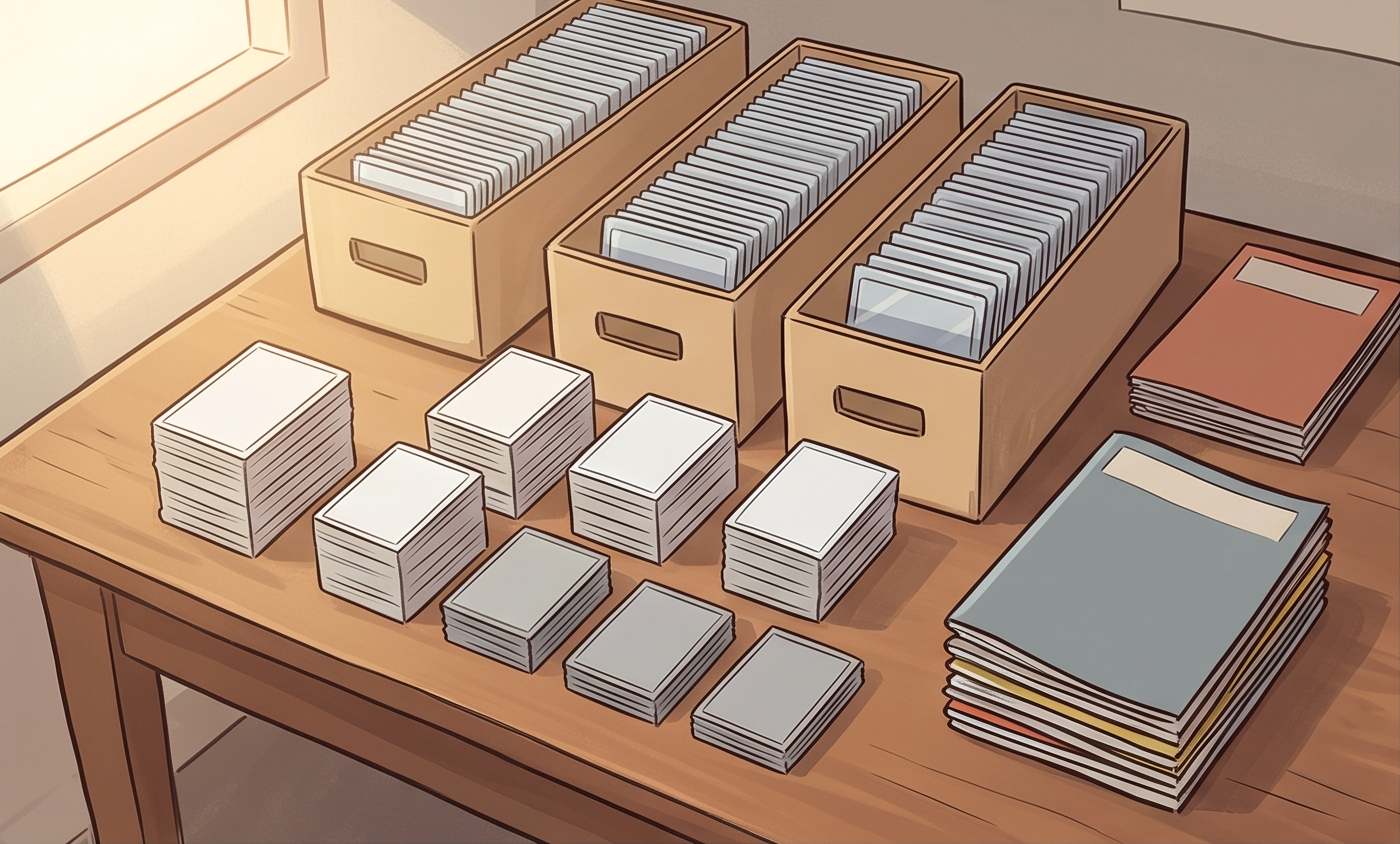
You have a box in the closet. Maybe it is a few thousand raw baseball cards, a binder of Pokémon from the last three years, or a longbox of comics you have not opened since you moved. You want it gone, and you want money for it.
The internet will tell you to list everything on eBay. That advice is right some of the time and expensive the rest of the time. Selling online means fees, shipping supplies, packing time, buyer messages, return requests, and months of waiting on the stuff that does not move. For a lot of collections, the local shop pays less per item and still puts more money in your pocket per hour of your life spent.
Here is how to tell which situation you are in.
The short answer
Sell locally when your collection is large, mixed, mostly raw, and you want cash this week. Sell online when you have a small number of individually valuable items that a national audience will bid up.
Most people reading this have the first kind of collection and assume they have the second.
Quick tip
Call before you drive. Plenty of shops buy cards but not comics, or comics but not miniatures. A two minute phone call tells you whether the trip is worth making and whether they want you to book a time for a larger collection.
Local shop vs online: the honest comparison
| Local shop | Online marketplace | Auction house | |
|---|---|---|---|
| Time to cash | Same day | 1 to 8 weeks | 1 to 6 months |
| Fees taken out | None, the offer is the offer | Roughly 13 to 15 percent plus payment and shipping costs | 10 to 20 percent seller commission, sometimes 0 percent on consignment |
| Your labor | Drive over, hand it across the counter | Photograph, list, pack, ship, handle returns | Submit, insure, ship, wait |
| Price ceiling | Lower, the shop needs margin to resell | Higher on desirable items | Highest on genuinely rare items |
| Risk of loss | None | Shipping damage, chargebacks, scam returns | Low but shipping risk exists |
| Best fit | Bulk, mixed lots, mid and low value | Single high-demand items | Rare keys, high-grade vintage |
When selling locally is the better move
You have volume. Five thousand raw cards is not five thousand eBay listings anyone sane would create. A shop buys the whole box in one transaction.
Your items are mostly low to mid value. Once you subtract fees, shipping, and the hour you spent packing, a card that sells online for twelve dollars nets you maybe six. A shop offering you five for it just saved you the hour.
You want cash now. Shops pay on the spot. Marketplaces hold funds, and auction houses can take half a year to settle.
Your comics are readable copies, not keys. Common runs from the 1980s and 1990s have real reader demand and almost no collector premium. Shipping cost eats them alive. Local is the only sane channel.
You do not know what you have. A shop owner sorts your box faster than you can research it. That knowledge is worth something, and you get it for free during the offer.
You inherited the collection. This is the most common case we see. Someone passed, there are twelve boxes in a garage, and nobody in the family collects. A local shop can handle the whole thing in one visit.
When you should sell online instead
We run a directory of local shops and we will still tell you this plainly, because the whole point is trust.
Graded cards with strong comps. A PSA 10 of a popular modern rookie or a CGC-graded key issue has a public price history. A national audience competes for it. Local shops know this too and will price their offer against the same comps, minus margin.
Recognized key issues. First appearances, first prints, and anything with a well-known number in it. These deserve a bidding audience.
High-grade vintage. Pre-1970s cards and Golden or Silver Age comics in real condition. This is auction house territory.
Sealed vintage product. Unopened wax has its own collector market and often its own specialist buyers.
One-of-one and short print modern. Numbered parallels and case hits are national market items.
A reasonable strategy for a mixed collection: pull the ten to twenty pieces that genuinely qualify above, sell those online or through an auction house, and take the rest to a shop. You get the ceiling where the ceiling matters and you get your Saturday back for everything else.
What a fair local offer actually looks like
The number one reason people feel ripped off at a card shop is that they compared a cash offer to an eBay asking price. Those are not the same number, and they never were.
Common ranges you can expect on a cash offer:
- Raw modern cards and bulk: often priced by the thousand rather than per card, since sorting labor exceeds card value
- Mid-value singles: commonly somewhere in the range of 40 to 60 percent of realistic market value
- Graded cards with clear comps: generally tighter, often 60 to 80 percent, because the risk to the shop is lower
- Comics: varies widely by condition and demand, and common back issues are frequently valued near cover price or by the box
Store credit almost always beats cash. If you plan to buy anything anyway, ask for the credit number. It is regularly 20 to 30 percent higher than the cash number.
Why the gap exists: the shop pays rent, has to sit on inventory for months, absorbs the cards that never sell, and takes on the risk that a card’s value drops next week. That spread is their business, not a con. A shop that pays you 90 percent of market goes out of business, and then you have nowhere local to sell at all.
What is not fair: an offer with no explanation, refusal to let you see how they sorted, or pressure to decide immediately. Walk out. There is another shop.
If the collection is large enough to matter, get two or three offers before you accept one. Shops specialize differently, and a store that runs weekly Magic events values your playable singles higher than a store that mostly sells comics. The spread between two honest offers on the same box can be significant, and neither shop is doing anything wrong.
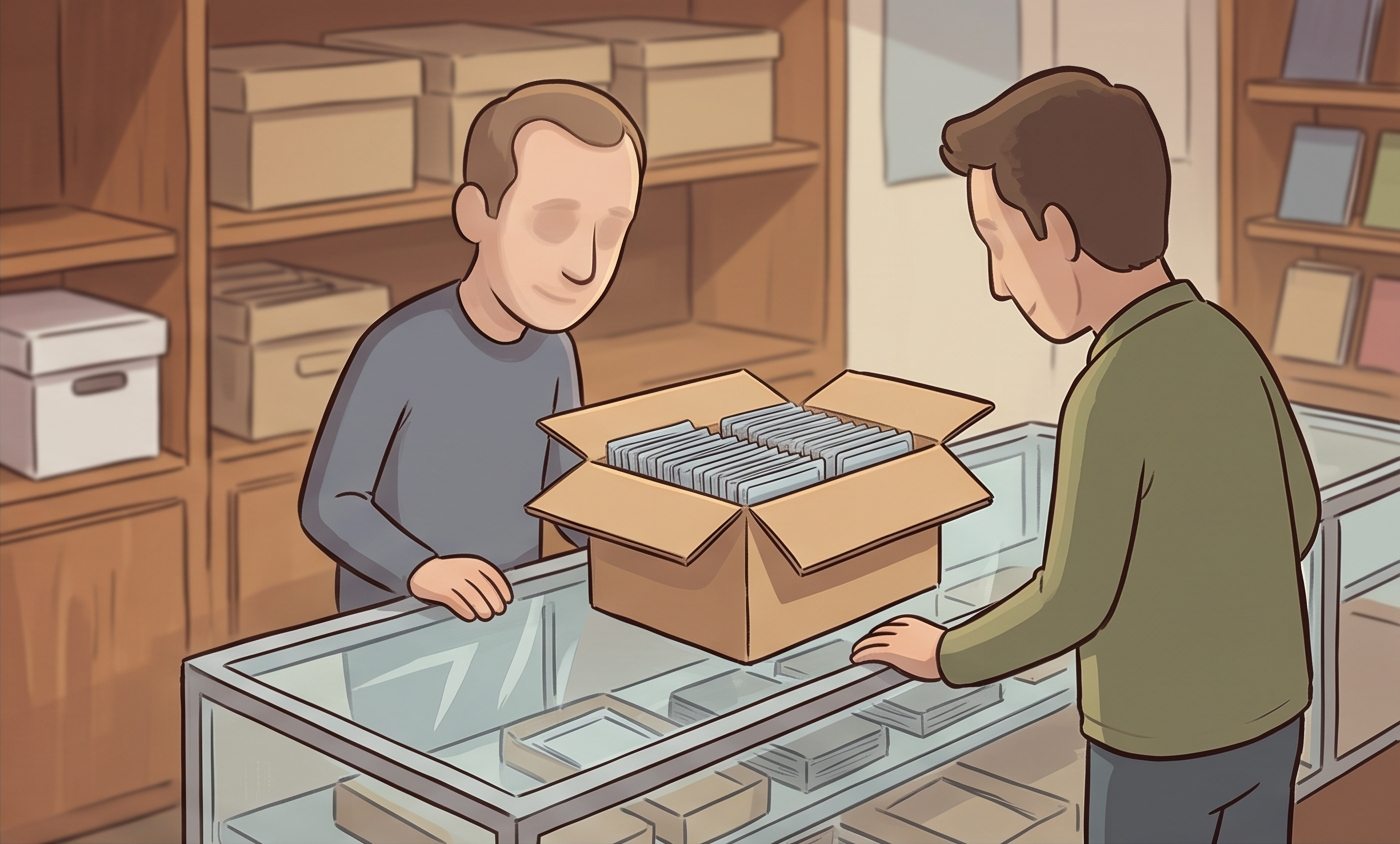
How to prepare before you walk in
Thirty minutes of prep can move an offer meaningfully, because it cuts the shop’s sorting labor.
- Sort by category. Sports separate from TCG separate from comics. Then by sport or set.
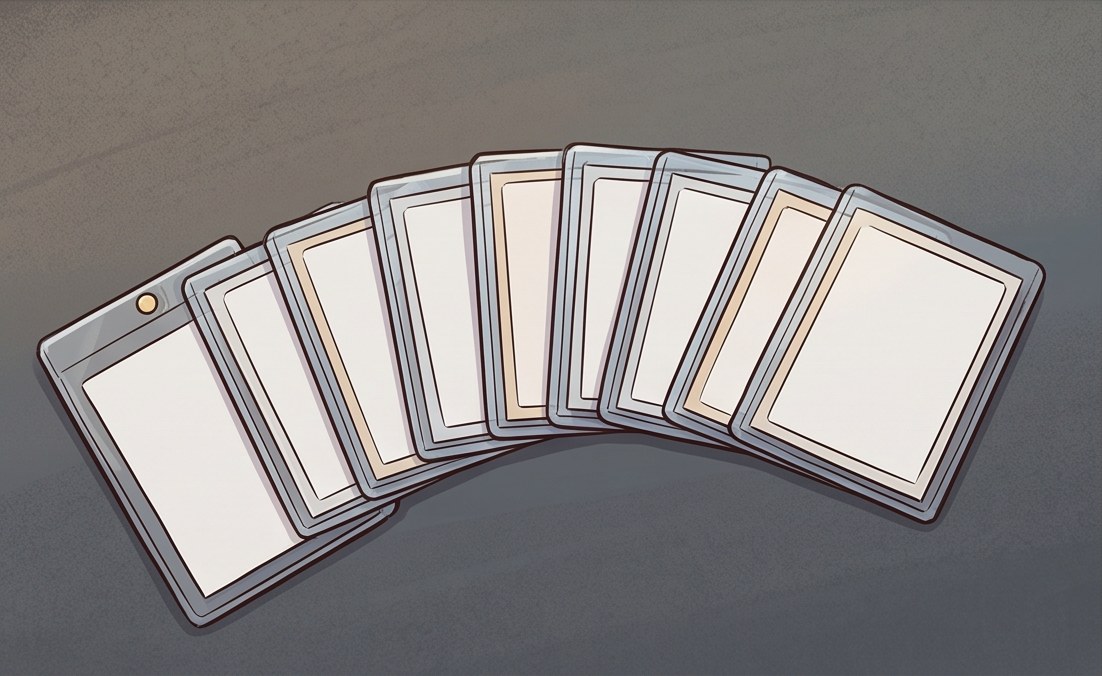
- Pull anything you think is valuable. Put it in sleeves and toploaders and keep it in a separate stack. Do not bury a key in bulk.
- Check rough comps on your top pieces only. Look at sold listings, not asking prices. Ten minutes on the best five items is enough.
- Do not clean, press, or trim anything. You will destroy value. This is especially true for comics.
- Bring everything in one trip. Offers on complete collections are usually better than offers on the leftovers after you cherry-picked.
- Call ahead. Larger collections often need an appointment, and some shops do not buy every category. Phone numbers and hours are listed on every shop page in our directory.
Questions to ask before you sell
- Do you buy collections this size, or should I make an appointment?
- Which categories do you actually buy? Some shops do cards only, some comics only.
- Is this offer cash or store credit, and what is the difference?
- How did you arrive at this number?
- Will you break out the pieces you value highest so I can see them?
- If I want to think about it, how long does the offer stand?
A shop that answers all six comfortably is a shop worth building a relationship with. That relationship matters more than one transaction, because the next time you want something, they will remember you.
What to expect by category
Sports cards. Modern raw is a volume game. Vintage and star rookies get individual attention. Bring anything from before 1980 to the front of the conversation.
Pokémon and other TCGs. Shops that run tournaments usually pay better for playable singles because they have immediate demand for them. Sealed product moves easily. Heavily played commons generally do not.
Comics. Condition drives everything. Comic shops in your area buy runs and boxes constantly, but the offer per book on common issues is small. Keys, first appearances, and anything already graded should be discussed separately from the box.
Find a shop near you
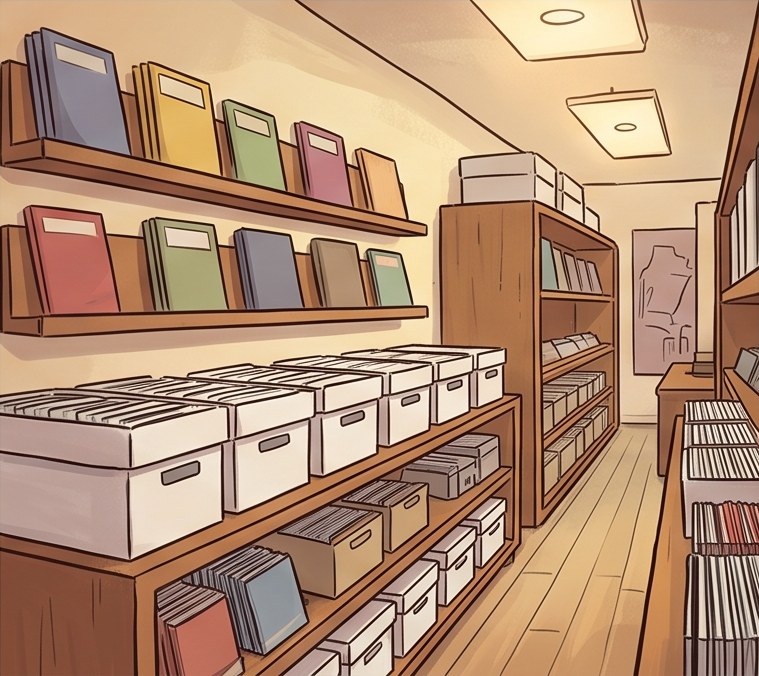
Local selling only works if you can find a shop that actually buys what you have. That is what CollectorsHaul is for. We list card shops, comic shops, sports card shops, game stores, and hobby stores with addresses, hours, phone numbers, and what each one specializes in, so you can call ahead instead of driving across town to a place that only sells miniatures.
Start with your city:
- Card and comic shops in Los Angeles
- Shops in San Diego
- Shops in Long Beach
- Shops in Anaheim and Santa Ana
- Shops in Irvine
- Shops in Riverside and San Bernardino
- Shops in Temecula
Not on this list? Browse every California city or search the full directory to find shops near you.
Frequently asked questions
Will a local shop buy my whole collection or just the good parts?
Most shops prefer to buy whole collections and will price accordingly. Some will cherry-pick if the bulk is not worth their storage space. Ask up front.
Do I need to know what my cards are worth first?
No, but knowing your top few items protects you. You do not need to research a whole box.
Should I get cards graded before selling?
Usually not. Grading costs money and months of turnaround, and it only pays off on cards where the high grade is both likely and valuable. Ask a shop whether anything you have is worth submitting.
Is store credit a bad deal?
Not if you were going to spend it anyway. Credit offers are typically higher than cash offers.
What if I have a huge estate collection?
Call several shops. Larger collections justify getting more than one offer, and some shops will come to you.
The short version: shipping your collection off is not automatically the smarter move. For most people, most of the time, driving to a local shop with a sorted box and a few researched pieces gets you paid faster and nets you more per hour than becoming a part-time eBay seller for a month.
← Back to Blog